Draw Your Cart How to Draw Carts
Spend every drop of ink on joints, wheels, and weapon reach — not decorative doodles.
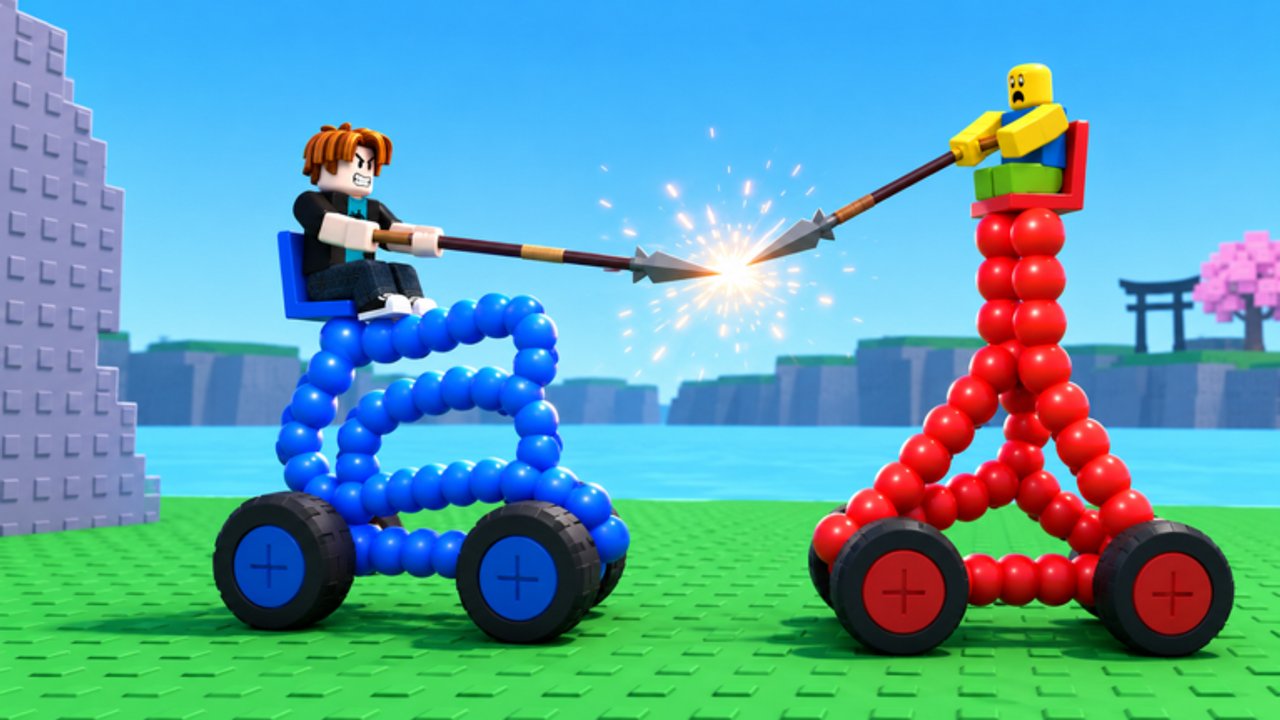
Drawing is the skill ceiling in Draw Your Cart!. Coins and upgrades expand your ink tank, but the tank only matters if you spend it on connections that survive a swipe fight. This guide covers ink budgeting, how to join rider + wheels + weapon, proven shape families, frequent mistakes, and input tips for mobile versus PC. Pair it with Cart Builds, Weapons, and Upgrades and Ink once you can finish a stable sketch on command. New players should skim Getting Started first.
The ink budget mindset
Ink is finite each drawing phase. Treat it like a construction budget, not a sketchbook.
- Structure first: chassis lines that hold the rider and wheel hubs.
- Locomotion second: wheels placed so the cart rolls instead of face-planting.
- Offense third: weapon length, thickness, and mount angle.
- Insurance last: one reinforcing brace if anything looks about to shear.
If you run out of ink mid-weapon, you already failed the budget. Stop earlier, shorten the chassis, or wait for an ink upgrade. Winning fights with an ugly but connected cart beats losing with a beautiful silhouette that snaps on contact.
As upgrades raise ink, do not automatically scale the same doodle larger. Reinvest the surplus into thickness at stress points and cleaner weapon mounts. Bloated outlines waste the very resource you just bought.
Connecting rider, wheels, and weapon
The official rule is simple: draw so you join your rider, wheels, and weapon. In practice that means continuous ink paths (or clearly merged strokes) with no orphan islands.
Rider
Anchor the seat or torso area early. Everything else should reference that point. If the rider sits on a single thin stick, the first enemy hit pops them free even when your wheels survive.
Wheels
Two solid hubs aligned with the chassis beat four scribbled circles. Place wheels where weight looks balanced. A tall cart with tiny rear wheels tips; a long spear cart with all mass forward digs into the ground. Spiky or special wheels from skins can change damage or silhouette — see Skins and Cosmetics — but they still need structural attachment.
Weapon
Mount the weapon so the business end leads during a forward swipe. Spears and long poles want forward reach; axes and heavy smashers want mass near the contact zone; cannons and odd mounts need clear line into the enemy rider. A weapon that is only connected by a hairline will break off and leave you as a harmless wagon.
Checklist before you press FIGHT:
- Can you trace ink from rider to each wheel without lifting conceptually?
- Can you trace from rider or chassis to the weapon tip?
- Are there loops of ink that never touch those paths? Delete or merge them next redesign.
Shape ideas that spend ink well
You do not need art-school drafting. You need repeatable silhouettes.
Triangles and wedges
A triangular frame puts thick ink where impacts happen and naturally points a nose weapon. Wedges slide under taller carts and help with lifts or flips. Use the triangle’s base for wheel spacing and the apex for the spear or blade. This family is ink-efficient and beginner-friendly — a staple in Cart Builds.
Long spears and lances
Commit most offensive ink to a straight forward member with a reinforced root. Keep the chassis compact so you are not paying for a limousine that never uses its back half. Long reach shines in Boss Fights when the target is huge, and in Duels when you can poke before they close.
Compact frames
Short wheelbase, thick walls, weapon tucked but sturdy. Compact tanks shrug off glancing hits and excel at shoving enemies toward water or ground. They struggle if the opponent out-ranges you entirely, so pair with timing — swipe late to slip inside a spear.
Wide shields
Horizontal bracing and a broad front can protect the rider and grind pieces off the enemy. Watch ink: wide shapes devour budget. Leave enough for a real weapon; a pure bumper often stalls fights.
Tall or experimental forms
Tall carts look scary and can drop weapons from above, but they are unstable. Use them for fun or specific counters, not as your only climbing build. If you tip yourself more than you tip them, return to a wedge.
Common drawing mistakes
- Decorative spirals and faces: cute, expensive, fragile.
- Disconnected wheels: the cart cannot drive; fight starts already lost.
- Weapon on a thread: snaps on first clash.
- All ink in the blade, none in the mount: same failure mode.
- Asymmetric wheel heights: constant lean and ground hits on yourself.
- Copying a viral doodle at low ink: creators often sit on max upgrades; your budget is smaller.
- Redesigning every loss from zero: iterate — thicken the joint that failed, do not reinvent the horse.
- Ignoring the win conditions: remember you can win by knock-off, water, ground, breakage, and wall smashes — design for at least one on purpose.
Mobile vs PC drawing tips
Mobile and tablet
- Draw slower than you think. Rushed fingers create gaps.
- Use the full pad; tiny corner sketches amplify tremor.
- After major strokes, pause and inspect joints before spending the last ink.
- If palm rejection fights you, adjust grip or device angle.
- Zoom or pan if the UI offers it when placing thin spear tips.
PC (mouse)
- Advantage: precise long lines for spears.
- Risk: over-detailing because precision feels free — it is not free in ink.
- Click-drag in fewer segments; dozens of micro-strokes can leave weak seams.
- Outline chassis, place wheels, then weapon — same order as mobile.
Console
- Learn the stick or cursor mapping in a private practice drawing before ranked pride is on the line.
- Prefer slightly thicker lines; fine filigree is harder on sticks.
- Rely on archetypes (wedge, compact, spear) instead of freehand art ambition.
All platforms share the same connection rules and fight swipe model from Getting Started.
Designing for the fight, not the gallery
Ask three questions every redesign:
- Where does my weapon meet their rider if I swipe straight?
- What breaks first if they hit my side — and did I reinforce it?
- If the spear fails, can I still shove them into water or ground?
Builds that answer those questions climb faster than gallery pieces. When you enter a duel, read the opponent’s silhouette and counter-draw — long poke into their open rider, or compact ram into their spindly mount. More on that in Duels.
Boss prep deserves a dedicated ink plan: fewer cosmetics on the mind, more reach and integrity. See Boss Fights.
Iteration loop after upgrades
Each time you buy ink in Upgrades and Ink:
- Redraw your main archetype with thicker roots.
- Add one new option (slightly longer spear or wider brace).
- Test in normal fights before the next boss multiple.
- Compare against the current notes in Weapons and Cart Builds.
Do not let a cosmetic ball or flag distract the drawing phase — apply skins that you understand, then focus ink on physics. Collection guidance: Skins and Cosmetics.
Quick reference — efficient ink recipes
- Beginner wedge: triangular chassis, two wheels on the base, short-to-medium forward spike.
- Reach lance: compact body, maximum straight weapon, double-thick mount.
- Shove box: rectangular thick frame, low weapon or ram plate, wide stance.
- Hybrid: wedge body with one side brace for duel versatility.
Master these four, then invent. Invention without a stable base just burns ink and coins.
Related reading
- Getting Started — lobby and fight basics
- Upgrades and Ink — why ink ranks come first
- Boss Fights — redesign checklist every ten wins
- Duels — counter-drawing live opponents
- Cart Builds Tier List and Weapons Tier List — archetype rankings
- Guides Hub — full tutorial map
Clean connections win more fights than fancy linework. Budget ink for rider, wheels, and weapon, pick a shape family, and iterate after every break point you observe in FIGHT.
Frequently Asked Questions
Quick answers for Draw Your Cart players.
What must my drawing connect?
Join the rider, wheels, and weapon with continuous structure. Floating pieces or hairline mounts fail under the first real hit.
What shapes work best on a low ink budget?
Triangles, wedges, and compact frames. They spend ink on bracing and a clear weapon line instead of decorative outlines.
Why do my carts keep breaking apart?
Usually a thin weapon stalk, disconnected wheels, or no brace at the rider seat. Redesign to thicken the joint that failed instead of adding spikes.
Is drawing easier on PC than mobile?
PC offers finer aim for long spears, but both platforms share the same ink limit. Mobile players should draw slower and inspect joints before spending the last ink.
Should I redesign after every upgrade?
Yes for ink upgrades. Put the new budget into thicker mounts and slightly better reach, then retest before the next boss.